
Greater Comfort

Faster Recovery


Presbyopia and Cataracts.
Time Won't Reverse Them.
Our eyes work tirelessly every day and are among the
first parts of the body th show signs of aging
Cataracts Are No Longer Limited to Older Adults.
An increasing number of people in their
40s and 50s are now developing cataracts.
According to the National Health Insurance Service,
cataract surgery was the most commonly performed
surgical procedure in South Korea in 2019.
The number of cataract patients increased by 20.24% over three years,
representing one of the fastest growth rates among major surgical procedures.
Cataracts and Presbyopia Often Occur Together.
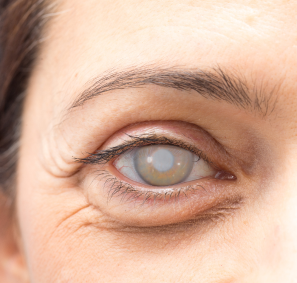
A cataract develops when the eye's natural lens gradually becomes cloudy,
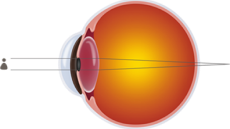
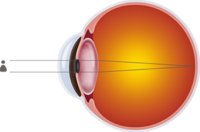
leading to blurred vision. Presbyopia occurs when the eye's natural
lens gradually loses its elasticity, making it difficult to focus on nearby objects.
Cataracts may cause symptoms such as blurred vision, double vision, glare, halos, or a foggy field of vision. Because these symptoms can be mistaken for normal age-related vision changes, regular comprehensive eye examinations are essential for early diagnosis and treatment.

Personalized Surgical Plans Powered
by State-of-the-Art Technology
With one of the highest volumes of cataract surgeries in Gangnam,
we have built extensive clinical experience in cataract care.
Our experienced team is committed to helping you achieve
clearer vision through personalized cataract care.
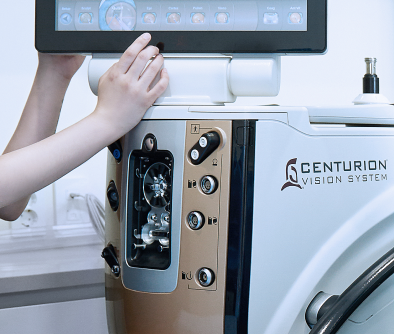
CENTURION® Vision System


Designed for Safety, Precision, and Patient Comfort
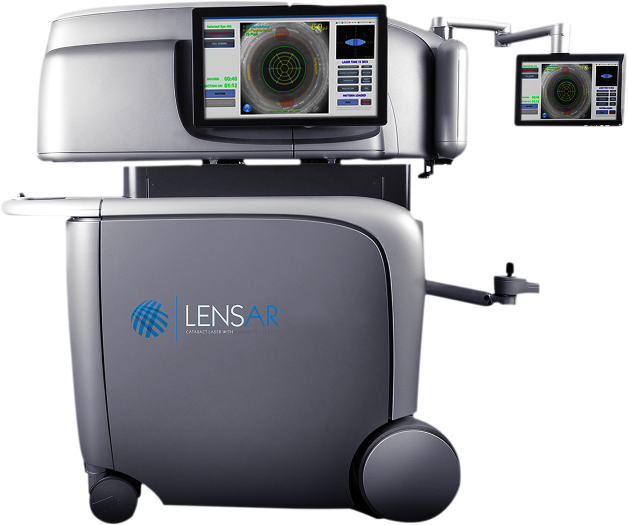
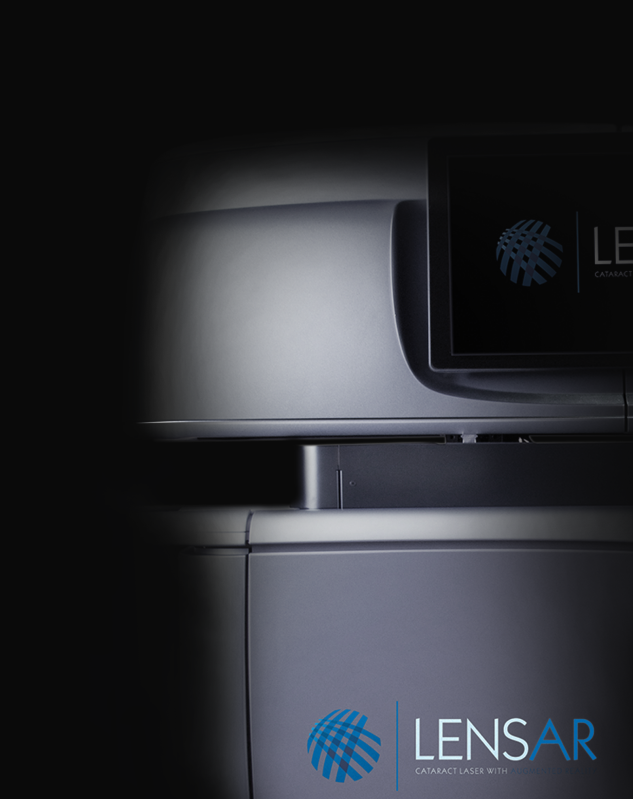
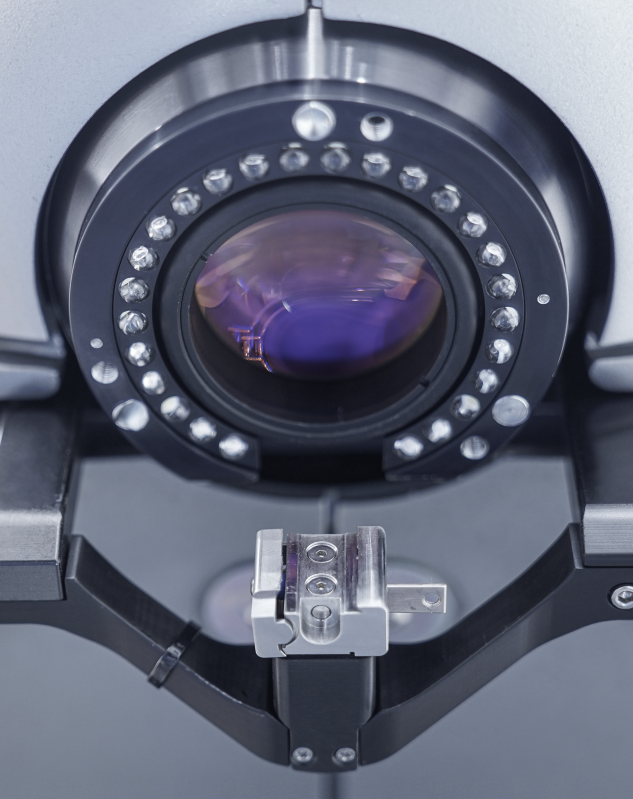
LENSAR® Femtosecond Laser System for Cataract Surgery
FEMTO SECOND
LENS AR
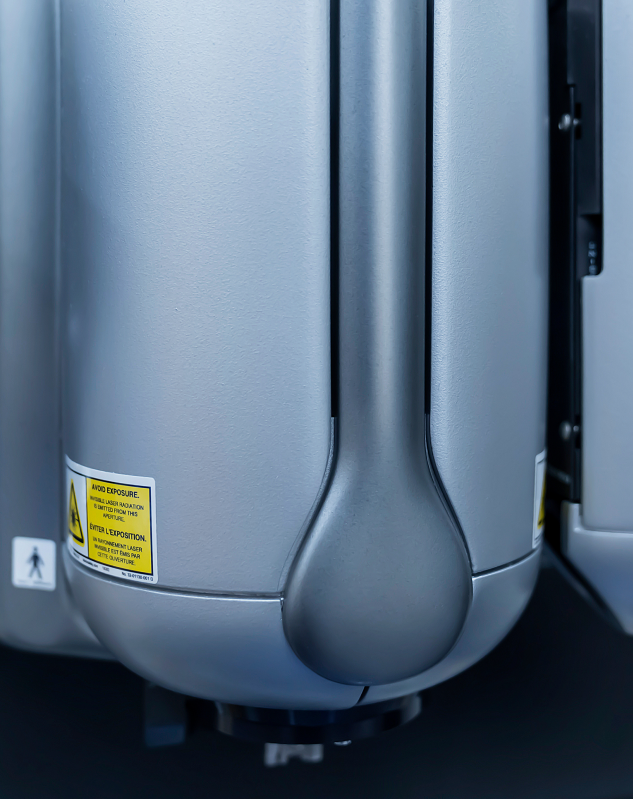

About a 10-Minute Procedure

Rapid Recovery

Enhanced Tissue Preservation

Advanced 3D Biometric Analysis
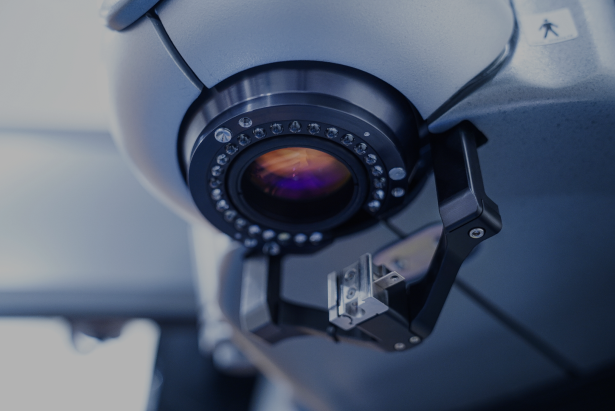
This ultra-precise femtosecond laser delivers
pulses lasting just one quadrillionth of a second.
By minimizing energy delivered to surrounding tissue,
it helps reduce corneal trauma and the risk of
surgical complications while enabling a faster,
more comfortable procedure.
Near-Zero Energy Technology
Traditional cataract surgery typically requires
ultrasound energy to break up and remove the clouded lens.
In contrast, the LENSAR femtosecond laser pre-fragments the cataract,
significantly reducing the amount of ultrasound energy
required during surgery. This helps reduce the risk of
corneal edema and endothelial cell damage while promoting a safer,
more comfortable surgical experience.
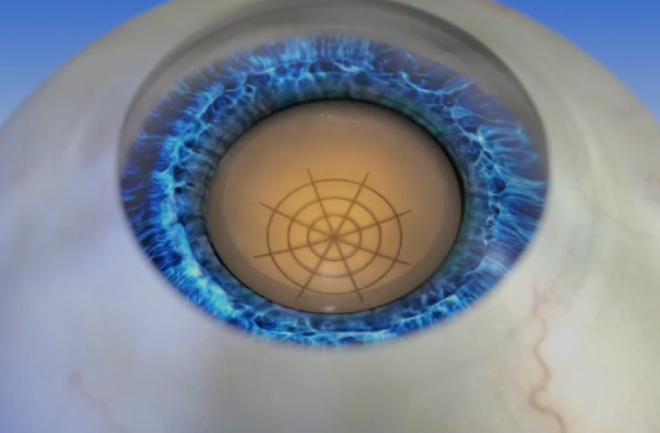
Femtosecond Laser-Assisted Cataract Surgery
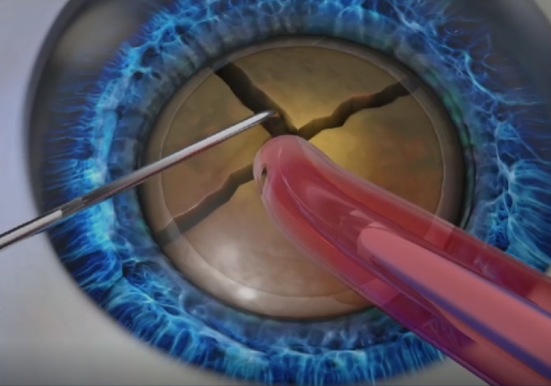
Conventional Cataract Surgery
Personalized Surgical Planning
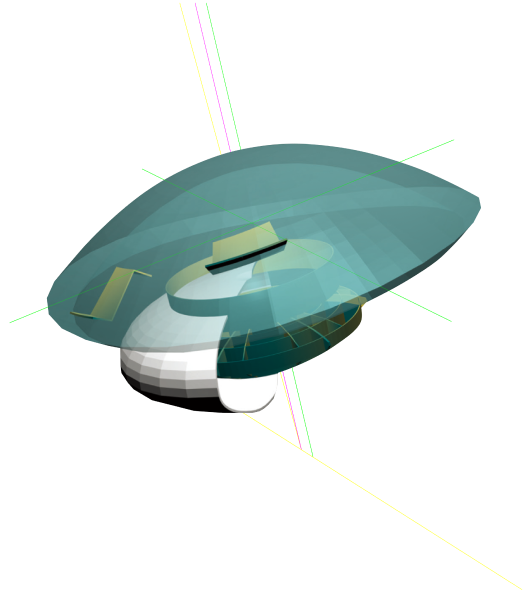
Using a comprehensive 3D reconstruction of each
patient's unique ocular anatomy—including the
precise curvature, position, and tilt of the cornea
and crystalline lens—the system enables highly precise
laser treatment tailored to each patient's individual anatomy.

LENSAR LASER
LENSAR Femtosecond Laser Technology
Laser-Assisted Cataract Surgery
From precise corneal incisions to cataract
fragmentation—all with a single laser platform.
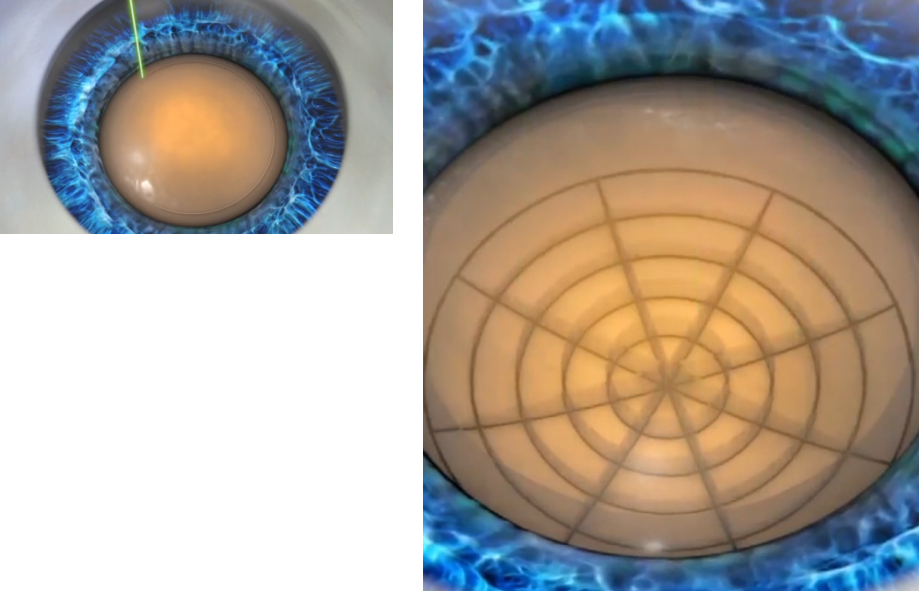
The LENSAR laser creates a precise, perfectly centered capsulotomy
in just a few seconds before pre-fragmenting the cataract.
By minimizing the amount of energy delivered to the eye,
it helps reduce ultrasound energy requirements while promoting
a more comfortable procedure and faster visual recovery.

Greater Comfort
Faster Recovery
Because cataracts do not typically recur and modern
intraocular lenses (IOLs) are designed to last a lifetime,
cataract surgery is generally a once-in-a-lifetime procedure.
Surgical Process

Laser Capsulotomy
Creates a precise, perfectly centered circular opening in the lens capsule

Laser Lens Fragmentation
Pre-fragments the cataract to reduce ultrasound energy during surgery

Lens Removal
The fragmented cataract is gently removed through a small incision.

IOL Implantation & Positioning
A customized intraocular lens (IOL) is implanted and precisely positioned.
Trusted Expertise
for Exceptional Cataract Care
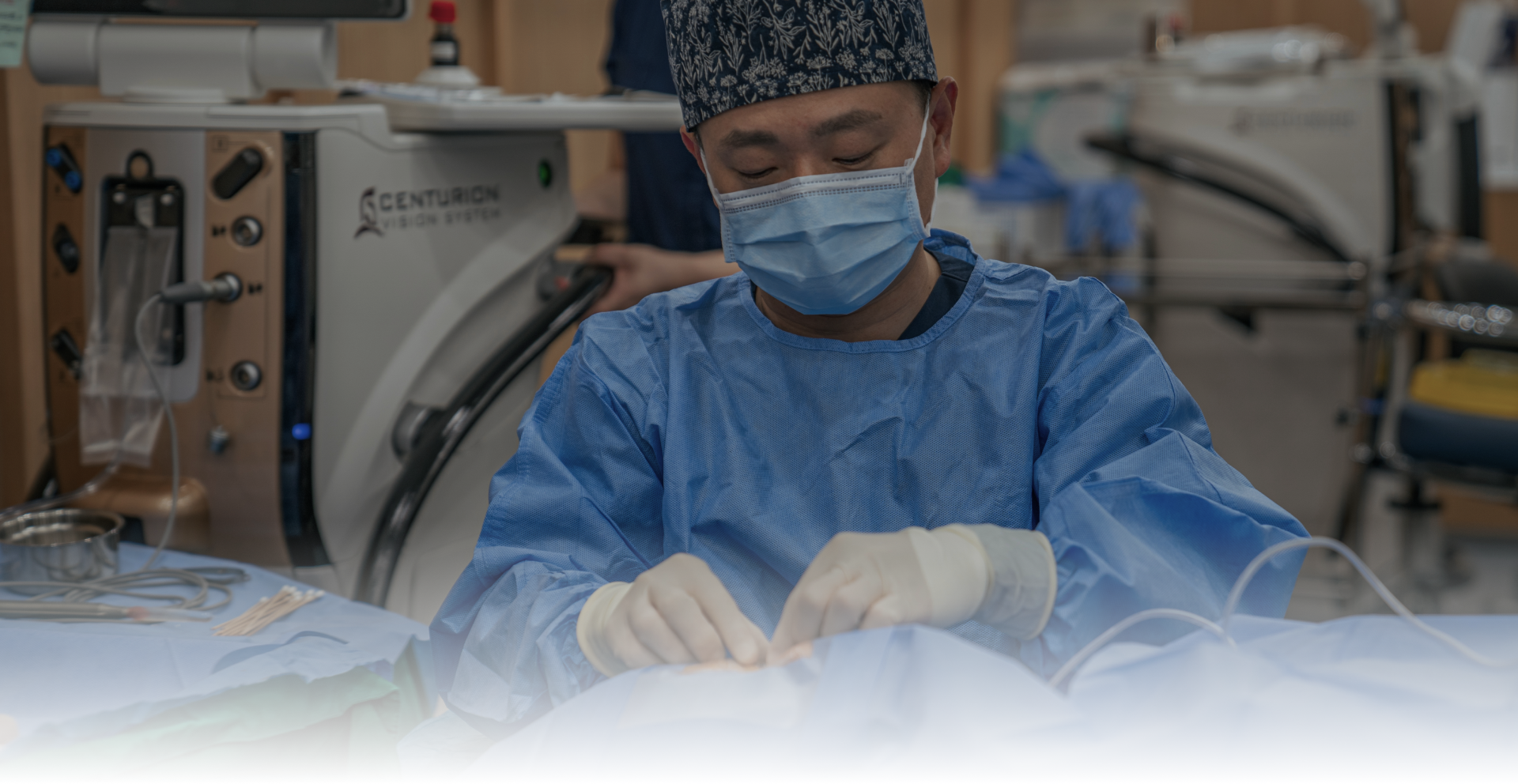
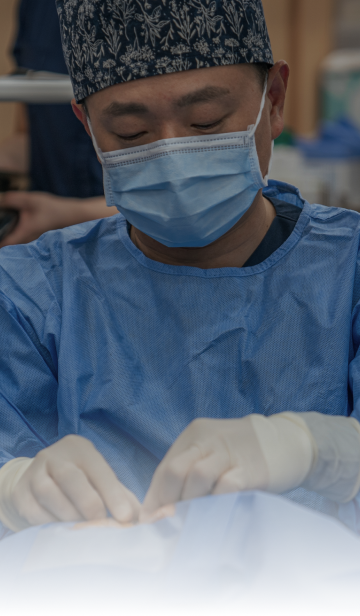
Successful cataract surgery depends on
precise surgical techniques and the accurate
placement of the selected intraocular lens (IOL).
An experienced surgical team plays a critical
role in achieving safe procedures and optimal visual outcomes.
THE LIGHT AND THE OCEAN
IN YOUR SMILE.

Copyright ⓒ 강남스마일안과. All rights reserved Last updated: September 30, 2026, at 14:17 UTC.