

NEW SMILE
The Light and
NEW SMILE
The Next Evolution in Vision Correction


NEW SMILE combines the benefits of LASIK and LASEK with
faster recovery, advanced 7D eye tracking, and rotational
eye tracking for precise correction of high astigmatism.
4
Evolution of Vision Correction Surgery
1st Gen

1980s
PRK

2nd Gen

1980s
LASEK
3rd Gen

2000s
LASIK
4th Gen

2010s
SMILE
5th Gen

2020s
NEW SMILE
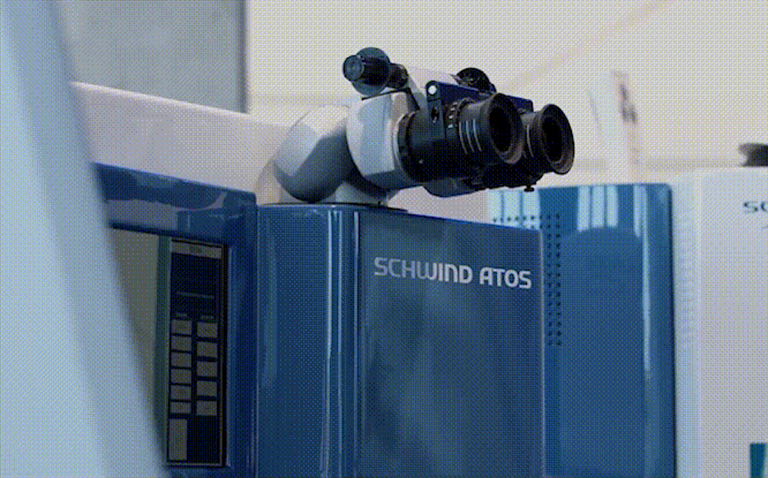
SCHWIND ATOS
Next-generation intelligent
femtosecond laser
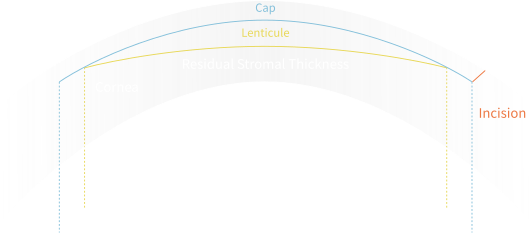
The ATOS laser creates a lenticule within the cornea, which is then removed
through a small incision to precisely correct myopia and astigmatism.
By avoiding the creation of a corneal flap, NEW SMILE performed with the ATOS laser helps
reduce corneal nerve damage and lowers the risk of postoperative dry eye.

Advantages of ATOS

Smaller Incision with Less
Corneal Tissue Damage

Enhanced Surgical
Precision

Curved Patient
Interface Design

Shorter
Procedure Time

Lenticule Extraction
Instead of Tissue Ablation

Stable Eye
Fixation

Smart Sight
A New Era in Minimally Invasive Corneal Surgery


Lenticule Creation
with the ATOS Laser
NEW SMILE promotes faster recovery without creating a corneal
flap and helps reduce the risk of postoperative dry eye.
Powered by SmartSight's ultra-small incision technology,
NEW SMILE uses a femtosecond laser to create a corneal lenticule,
which is then removed through a small incision to correct myopia and astigmatism.
Up to 8× Faster Laser Pulse Rate
with Lower Thermal Energy
NEW SMILE features a 4 MHz laser delivery rate,
up to eight times faster than conventional laser systems,
combined with a low pulse energy of just 75 nJ.
This minimizes thermal damage and helps create
a smoother lenticule through precise laser delivery.
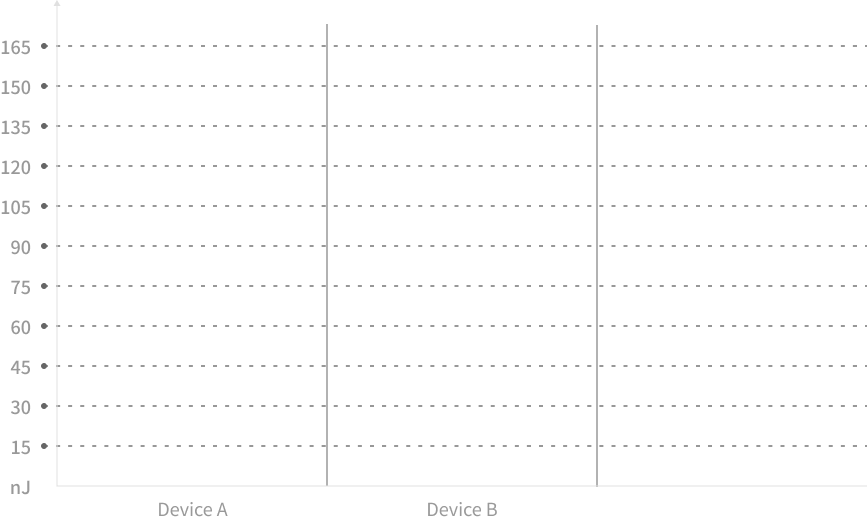
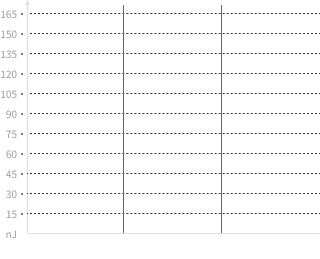
110~150nJ
100nJ

As Low As 75 nJ
Gangnam Smile Eye Clinic
NEW SMILE
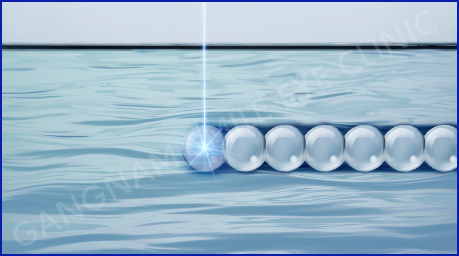
Low energy
Creates a lenticule with a smooth surface
using consistent, low-energy laser pulses
Conventional
LASIK
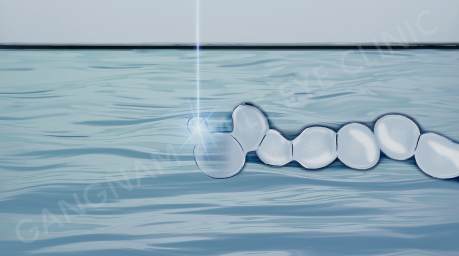
High energy
Creates a rougher, more irregular lenticule
More Precise Astigmatism Correction
with ATOS Eye Rotation Compensation
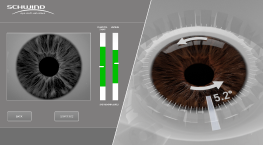
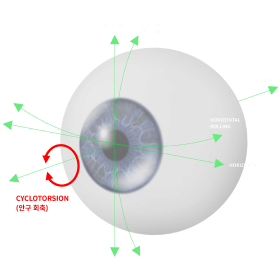
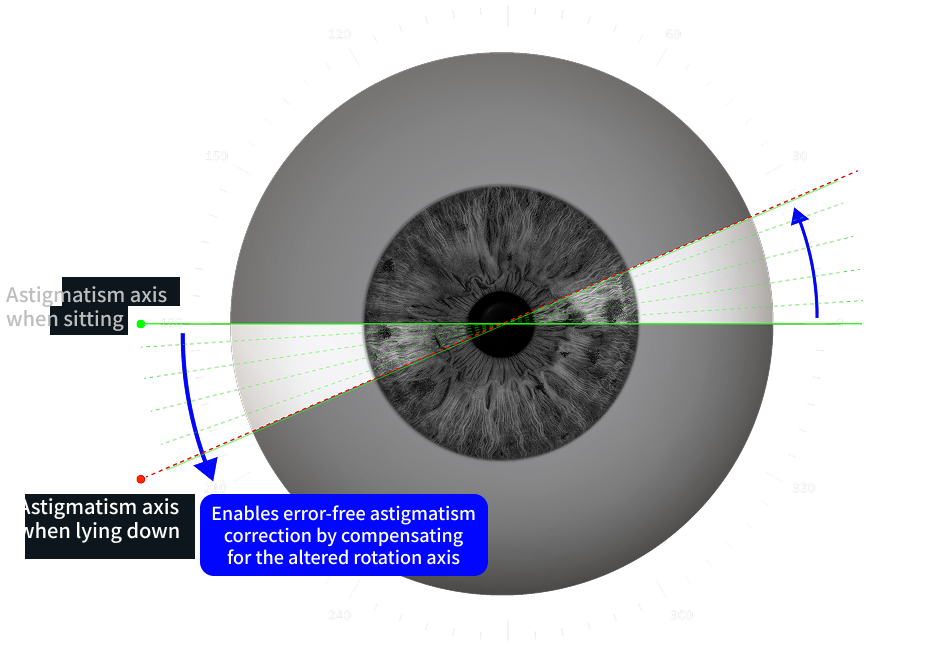
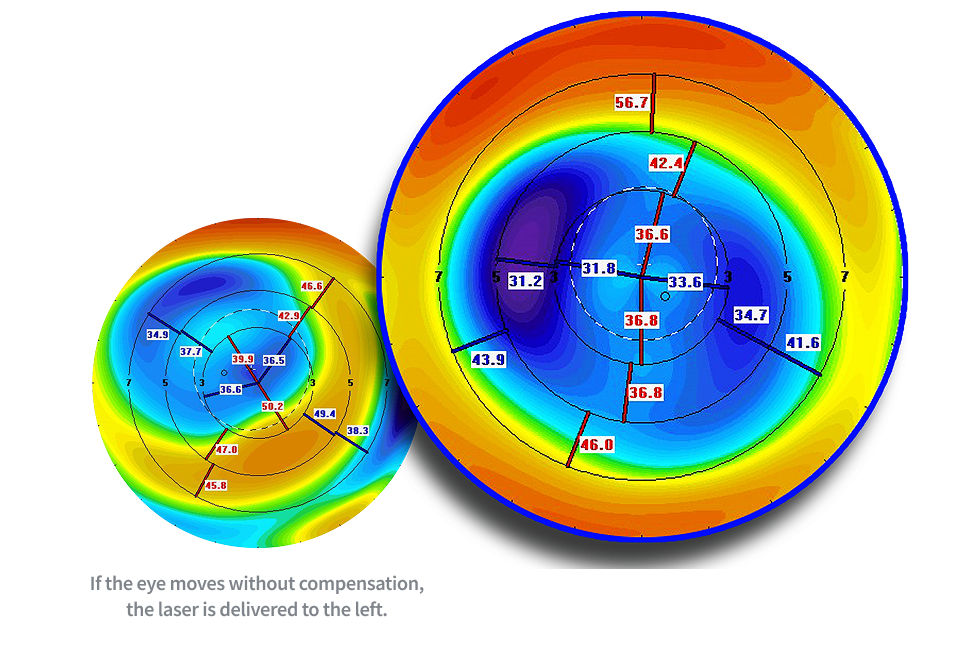
The human eye naturally rotates with changes in body position.
As a result, the astigmatism axis measured during
the eye examination may differ from the actual axis during surgery.
The ATOS Eye Rotation Compensation system automatically compensates
for this rotation, enabling more accurate astigmatism correction
and improved visual outcomes.
Sweet Spot.
Greater Accuracy with the Combined Power
of ATOS and SIRIUS
The SIRIUS diagnostic system precisely maps the pupil
center and the corneal visual axis, providing essential
data for accurate astigmatism correction.
When integrated with ATOS, this information identifies
the optimal treatment center (Sweet Spot) and precisely
delivers the laser to the intended location, even in the
presence of eye rotation or subtle eye movements.
Before Surgery
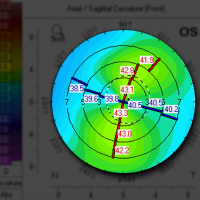
Eye With Severe Astigmatism
After Surgery
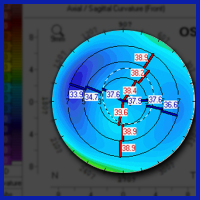
Precise Astigmatism Correction Through the
Integration of SIRIUS and ATOS
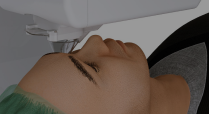
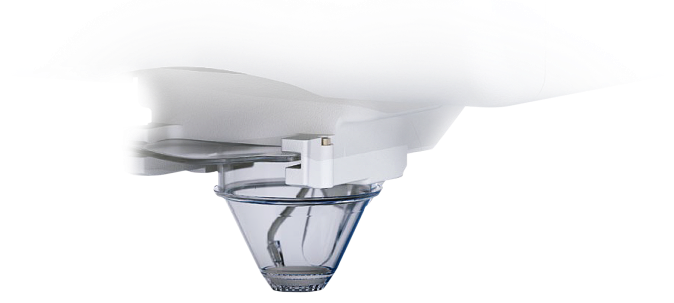
A Curved Patient Interface Designed to
Match the Natural Shape of the Cornea
The curved patient interface helps minimize corneal deformation during surgery.
By gently engaging only the corneal limbus,
it reduces pressure on the eye while minimizing conjunctival bleeding.
This enhances both patient safety and comfort throughout the procedure.
Enhanced Patient Comfort with a Curved Patient Interface

A Faster Return to Everyday Life
NEW SMILE helps reduce the risk of postoperative
dry eye while promoting faster recovery.
Compared with conventional LASIK,
its flap-free design provides greater resistance to external impact,
allowing most patients to return to their daily activities as early as the next day.
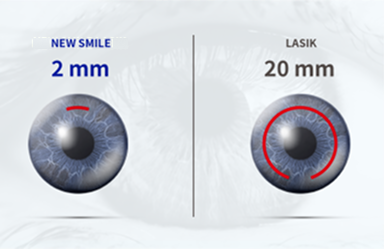

Reduced Risk of Postoperative Dry Eye
NEW SMILE creates and removes a lenticule through
a small incision without creating a corneal flap.
This flap-free approach helps preserve corneal nerves,
reducing nerve damage and helping lower the risk of
postoperative dry eye compared with conventional LASIK.
Comparison of Corneal Nerve Damage
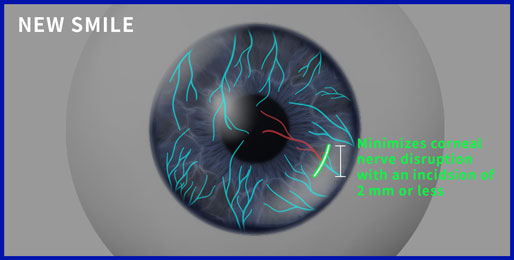 Gangnam Smile Eye Clinic – NEW SMILE
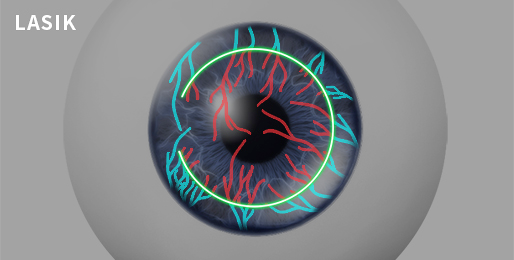 Conventional LASIK
gang
nam
Up to 150% Greater Corneal Strength
with Corneal Cross-Linking
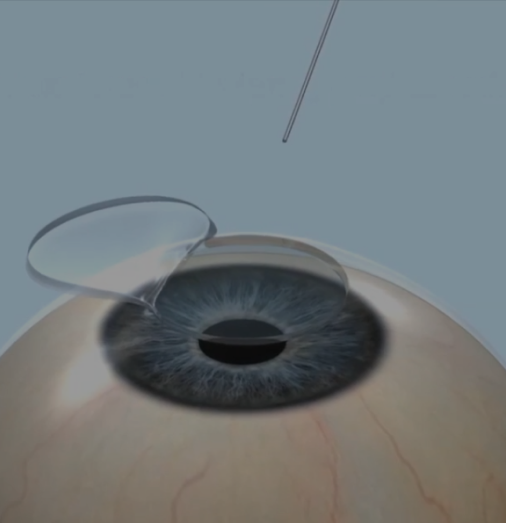

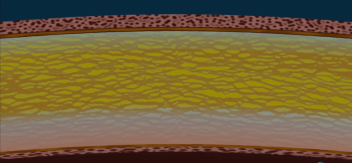
Collagen fibers, which serve as the structural framework of the cornea,
are interconnected to maintain the cornea's shape and strength.
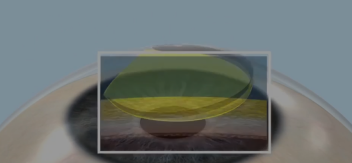
Corneal Cross-Linking enhances the biomechanical stability of the
cornea by strengthening these collagen bonds.
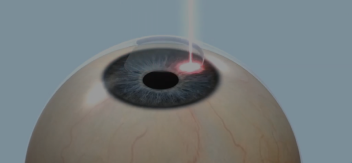
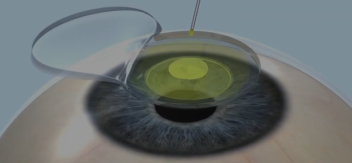
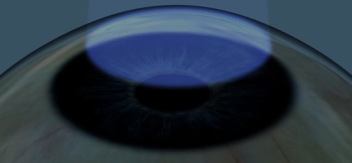
During SMILE, LASIK, or LASEK, riboflavin (vitamin B2)
is used to increase the bonding strength of corneal collagen,
thereby improving the biomechanical strength of the cornea.
Corneal Cross-Linking expands treatment options for patients with high myopia,
high astigmatism, thin or weak corneas, or irregular corneal shapes
who may not have been suitable candidates
for conventional LASIK or LASEK due to safety concerns.
By strengthening the collagen bonds within the cornea,
it enhances postoperative corneal stability and improves long-term surgical outcomes.

Enhances Biomechanical Corneal Strength

Reduces Postoperative Regression

Enhances Corneal Strength

Helps Reduce the Risk of Postoperative Corneal Ectasia

Helps Reduce the Risk of Myopic Regression

Expands Treatment Options for Patients with High Myopia,
Thin Corneas, and Irregular Corneas
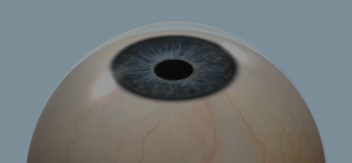
Corneal Cross-Linking
Process
Thought You Weren't
a Candidate for LASIK or LASEK?
NEW SMILE is designed to preserve
corneal tissue while providing advanced
vision correction tailored to your eyes.
THE LIGHT AND THE OCEAN
IN YOUR SMILE.

Copyright ⓒ 강남스마일안과. All rights reserved Last updated: September 30, 2026, at 14:17 UTC.